Contact Us
STATEN ISLAND FIBERAMA
Choosing among China best Residential Awnings wholesale suppliers requires more than comparing catalog prices. A reliable supplier should demonstrate consistent production, clear specifications, and practical installation knowledge. Their product range may include retractable, window, patio, and motorized awnings. Each option serves different buildings, climates, and customer expectations.
Experienced buyers usually request fabric samples, frame finishes, technical drawings, and recent product photographs. Ask about wind resistance, water-repellent performance, UV protection, and operating cycles. These details matter when an awning faces strong sunlight, coastal moisture, or repeated daily use. A supplier should also explain carton protection, loading methods, lead times, and replacement-part availability. Certification documents can support trust, but they should be checked against the actual model ordered. Factory images alone are not enough.
No supplier is perfect. A low quotation may hide weaker fabric, limited quality control, or uncertain after-sales support. A higher price does not automatically guarantee better performance either. This guide evaluates suppliers through product experience, manufacturing capability, communication, and evidence-based reliability. It also considers whether a supplier can manage custom dimensions without creating avoidable delays. Buyers should compare samples before approving bulk production. Small errors become expensive at scale. A careful sourcing process protects margins and customer satisfaction. It also leaves room for honest questions, because even experienced importers can overlook packaging details or regional installation requirements.
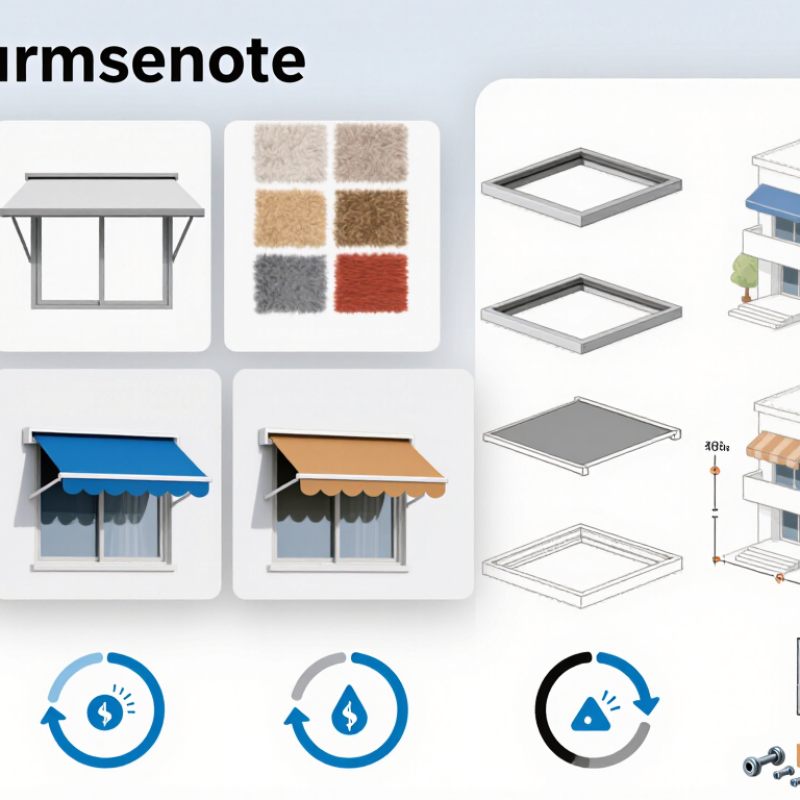
Residential awnings are fixed or retractable exterior coverings installed above windows, doors, patios, and balconies. They block direct sunlight before it reaches the glass. This simple position matters. It can reduce indoor glare, protect furniture, and improve comfort near sunny windows.
The U.S. Department of Energy’s Energy Saver guidance reports that awnings can reduce solar heat gain by up to 65% on south-facing windows and 77% on west-facing windows. Actual savings depend on fabric color, projection, window direction, and local weather. Exterior shading also supports cooling efficiency during hot seasons. In practical projects, installers should check wall strength, drainage, wind exposure, and the awning’s opening clearance. A low-cost unit may look attractive, yet weak brackets can create maintenance problems. I have found that measuring twice still does not prevent every mistake.
Tips: Ask wholesale suppliers for fabric test results, frame specifications, corrosion resistance, and installation drawings. Select breathable, UV-resistant fabric for exposed areas. Darker fabrics often block light well, but they may absorb more heat. Consider that trade-off. The U.S. Department of Energy also recommends combining shading with efficient windows and careful ventilation. Residential awnings are not a complete cooling solution. They work best as part of a site-specific design.
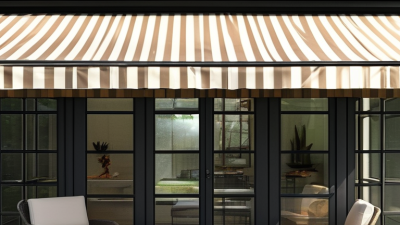
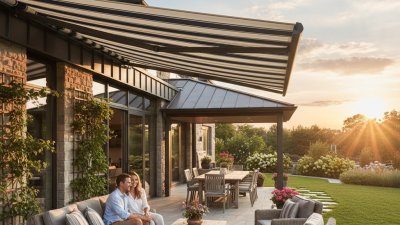
Residential awnings come in several practical forms for wholesale buyers. Retractable awnings suit patios, balconies, and small terraces. Their folding arms provide shade when needed. They also protect outdoor furniture from strong sunlight. However, moving parts require careful inspection and regular maintenance.
Fixed awnings offer stable coverage above windows, doors, and storefront-style home entrances. They usually use aluminum frames with acrylic or polyester fabric. This structure handles daily weather better than lightweight temporary shelters.
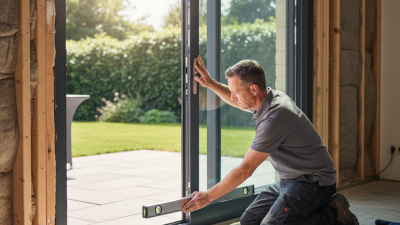
Window awnings can reduce indoor glare and heat, especially on south-facing walls. Drop awnings provide more vertical coverage and improve privacy. Fit matters more. Poor measurements can cause fabric tension, water leakage, or difficult installation.
For larger residential projects, motorized awnings improve convenience and accessibility. Manual models remain attractive for cost-sensitive wholesale orders. Pergola-style awnings cover wider outdoor living areas and create a stronger architectural appearance. A reliable supplier should provide fabric specifications, frame dimensions, wind guidance, and installation drawings. Samples should be tested under real sunlight when possible. A fabric sample can mislead. Color, heat control, and water resistance may change after prolonged exposure. Buyers should also confirm packaging quality, spare components, warranty terms, and production consistency before placing large orders. In my experience, the cheapest quotation often hides weaker brackets or less durable stitching. That does not make every low-cost option unsuitable, but it deserves careful comparison. Custom sizes are useful, though they may increase lead times and inspection work.
A reliable supplier should provide more than attractive catalog photos. Check factory registration, production capacity, material traceability, and recent export records. The 2023 World Bank Logistics Performance Index ranked China 19th among 139 economies, with a score of 3.7. This supports strong logistics, but it does not prove product quality. Ask for fabric composition, aluminum alloy grades, coating thickness, wind-load results, and installation drawings.
Request samples before discussing large wholesale orders. Inspect stitching, cassette alignment, drainage holes, and motor noise. Test the awning through repeated opening and closing. Small faults become expensive at scale. ISO 9001 certification can indicate a controlled quality system, yet an audit report is more useful than a certificate image. Require batch inspection records, corrective-action reports, and clear replacement terms.
Use measurable comparisons. The 2024 Grand View Research outlook estimates steady growth in the global awnings market through 2030, increasing pressure on suppliers to deliver consistent volume. Compare quotations using the same fabric weight, frame dimensions, packaging, warranty period, and delivery terms. Confirm whether prices include tooling, spare parts, and export packaging. Many buyers overlook moisture protection inside cartons. I have seen polished samples hide weak packaging, so this deserves a separate inspection. A lower price may simply transfer risk to your warehouse.
China Best Residential Awnings Wholesale Suppliers
Wholesale Pricing, Materials, and Customization Options
Wholesale residential awnings from China can provide competitive pricing for contractors, distributors, and property developers. The quoted cost usually depends on awning size, fabric grade, frame material, order volume, and packaging requirements. Ask for a detailed quotation. It should separate production, inspection, shipping, and optional accessories.
Common fabric choices include solution-dyed acrylic, polyester, and PVC-coated textiles. Acrylic performs well in strong sunlight, while PVC-coated fabric offers practical water resistance. Aluminum frames are lightweight and resist corrosion in many climates. Steel can provide extra strength, but it needs suitable surface protection. Request fabric weight, UV performance, water resistance, and frame thickness in writing.
Customization can include projection, width, cassette style, fabric color, manual or motorized operation, and mounting brackets. Suppliers should provide drawings before production. Small errors matter. A few millimeters can affect wall installation. Samples also deserve careful inspection, because one sample may not represent every production batch. We have seen attractive fabrics lose color faster than expected. That risk requires clearer testing records and realistic warranty terms. Confirm wind-rating methods, packaging protection, replacement-part availability, and regional safety requirements before placing a large order.
| Residential Awning Type | Typical Application | Common Frame Materials | Common Fabric or Cover Materials | Typical Projection | Indicative Wholesale Price* | Typical MOQ | Customization Options | Typical Production Lead Time |
|---|---|---|---|---|---|---|---|---|
| Manual Retractable Awning | Patios, balconies, windows, terraces, and small outdoor seating areas | Powder-coated aluminum frame; galvanized steel mounting brackets | Acrylic-coated polyester or solution-dyed acrylic fabric | 1.5–3.0 m | US$80–220 per unit | 20–50 units | Width, projection, fabric color, valance style, cassette size, bracket position, logo packaging | 20–35 days |
| Motorized Retractable Awning | Residential patios and larger windows requiring convenient operation | Powder-coated aluminum; stainless-steel hardware available | Solution-dyed acrylic or coated polyester fabric | 2.0–3.5 m | US$180–550 per unit | 10–30 units | Motor voltage, wired or remote control, wind sensor, sun sensor, LED lighting, fabric color, cassette type | 25–45 days |
| Full Cassette Awning | Premium residential façades where the rolled fabric and arms need maximum protection | Aluminum cassette, front bar, and folding arms | Solution-dyed acrylic or high-quality coated polyester | 1.5–3.0 m | US$260–700 per unit | 10–25 units | Cassette finish, fabric collection, motor system, remote control, sensors, mounting brackets, custom dimensions | 30–50 days |
| Window Drop Awning | Windows, narrow balconies, apartment façades, and sun-control applications | Aluminum roller tube and side arms; steel components may be available | Polyester, acrylic, or PVC-coated mesh fabric | 0.6–1.5 m | US$45–150 per unit | 50–100 units | Width, drop length, arm angle, fabric openness factor, color, manual or motorized operation | 20–35 days |
| Door Canopy Awning | Front doors, balconies, terrace entrances, and small commercial-style residential entrances | Aluminum or galvanized steel support frame | Polycarbonate sheet, acrylic fabric, or PVC-coated polyester | 0.8–1.8 m | US$60–240 per unit | 20–50 units | Canopy width, shape, transparent or tinted cover, frame finish, brackets, drainage edge | 20–40 days |
| Freestanding Patio Awning | Gardens, poolside areas, detached patios, and outdoor dining spaces | Powder-coated aluminum or galvanized steel structure | Solution-dyed acrylic, PVC-coated polyester, or waterproof polyester | 2.5–5.0 m | US$650–2,800 per unit | 5–15 units | Module size, roof style, posts, side curtains, integrated gutters, lighting, motorization, custom colors | 35–60 days |
| Pergola-Style Retractable Awning | Large terraces, villas, restaurants, and year-round outdoor living areas | Heavy-duty powder-coated aluminum frame | PVC-coated polyester, acrylic fabric, or waterproof membrane | 3.0–6.0 m | US$1,200–4,500 per unit | 3–10 units | Roof configuration, drainage system, motorization, side screens, LED lighting, posts, structural dimensions | 45–75 days |
| Adjustable Louver Roof Awning | Premium terraces and patios requiring adjustable ventilation and rain protection | Powder-coated aluminum louvers and posts | Aluminum louver roof; optional PVC screens or fabric side panels | 2.5–6.0 m | US$1,800–6,500 per unit | 2–8 units | Louver color, manual or motorized control, rain sensor, LED lighting, zip screens, side panels, custom layout | 45–80 days |
| Small Fixed Window Awning | Windows, kitchen extensions, utility areas, and compact residential façades | Aluminum or steel tubular frame | Acrylic fabric, coated polyester, polycarbonate, or aluminum sheet | 0.5–1.2 m | US$25–100 per unit | 100–200 units | Width, projection, roof shape, fabric or panel color, printed pattern, mounting accessories | 15–30 days |
For residential awnings, wholesale sourcing starts with more than a low quotation. A supplier should explain fabric weight, UV resistance, frame alloy, and expected service life. Ask for a physical sample, not only polished photographs. Check stitching, bracket thickness, coating coverage, and crank movement by hand. Small defects often reveal weak process control. In practical purchasing, I record each finding beside the written specification. This makes later claims less emotional. No checklist is perfect.
Shipping deserves equal attention. Confirm carton dimensions, pallet limits, loading methods, and delivery responsibility before payment. Request packing photos showing corner guards, moisture protection, labels, and spare fasteners. For mixed-container orders, count cartons against the packing list during loading. A missing box can delay an installation crew for days. Agree on inspection timing and evidence requirements in writing. Delays happen. Build time into the plan. Confirm product dimensions and installation documents meet local building requirements.
Supplier selection should compare production capacity, quality records, response speed, and corrective action. Ask how the team handles color variation, bent rails, and incomplete hardware. A capable supplier provides measurable answers and inspection reports. Verify factory details through video calls, sample orders, and independent checks when practical. Avoid choosing on price alone. I have seen attractive quotations become expensive after rework and storage. My own process sometimes overvalues fast replies. A small trial order can expose problems before a full shipment.
© 2025 Fiberama All Rights Reserved.