Contact Us
STATEN ISLAND FIBERAMA

Global buyers are paying closer attention to visibility, comfort, and documented performance. A High Vis Item is no longer just a bright vest on a warehouse hook. It may include jackets, trousers, coveralls, rainwear, helmets, backpacks, and seasonal workwear.
MarketsandMarkets reports that the high-visibility clothing market is expected to grow steadily through 2028. Grand View Research also identifies construction, logistics, road maintenance, and industrial operations as major demand sectors. These reports suggest strong international demand, but their market estimates differ. That difference matters. Buyers should examine research methods, regional definitions, and product categories before trusting a headline figure.
Safety scientist Erik Hollnagel writes, “Safety is the ability to succeed under varying conditions.” This principle fits high-visibility purchasing. A reflective jacket must remain visible during rain, dust, low light, and repeated washing. A vest that looks impressive in a showroom may fail during a cold night shift. That is the uncomfortable part.
Practical buyers usually compare certified performance, fabric breathability, seam quality, reflective-strip placement, size ranges, and supply consistency. They may also review ANSI/ISEA 107 and ISO 20471 requirements, depending on the destination market and work environment. Certification is important. It is not the whole decision.
This article examines the top High Vis Item categories for global buyers. It considers real workplace conditions, procurement risks, and changing user expectations. Some popular products may be overvalued. Others deserve more attention.
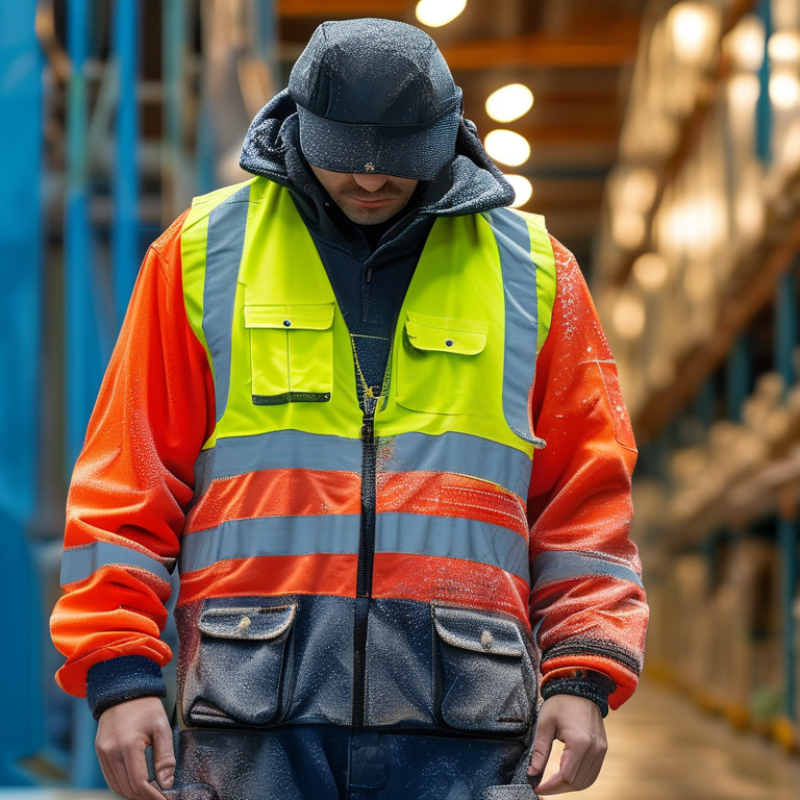
High-visibility products are safety garments designed to make people easier to see. They usually combine fluorescent fabric with contrasting retroreflective bands. Fluorescent colors work best in daylight. Reflective materials help return vehicle lights at night. Common products include vests, jackets, trousers, coveralls, gloves, and rainwear. Some work environments also require visible head protection.
Global buyers need these products because visibility changes across roads, warehouses, ports, construction areas, and transport yards. A worker near moving vehicles may be visible from a distance, but poor lighting, rain, dust, or crowded backgrounds can reduce that advantage. Clothing must also suit local weather. A lightweight vest may work in a hot warehouse, while a waterproof jacket fits colder outdoor operations. Comfort matters too. Workers may remove uncomfortable gear, which weakens its purpose.
Practical buyers should check fabric performance, reflective coverage, stitching, closures, sizing, and wash durability. They should request test reports and confirm the product suits the destination market’s applicable safety requirements. Requirements can differ by country and industry, so one specification may not fit every order. A bright vest is not automatically safe. I have seen procurement plans focus heavily on color while overlooking loose fasteners and poor fit. That is an easy mistake. Trial samples, user feedback, and repeated washing tests reveal problems before large-scale purchasing. Clear product records also support reliable quality control across different suppliers and delivery batches.
| Product Category | Typical High-Visibility Standard | Common End-Use | Visibility Construction | Weather Protection | Key Global Buying Considerations |
|---|---|---|---|---|---|
| High-Visibility Safety Vest | ANSI/ISEA 107 Type R or Type P; EN ISO 20471 Class 1 or 2 | Road work, construction, logistics, warehouse operations, event control | Fluorescent background fabric with reflective bands around the torso and shoulders | Usually none; lightweight mesh versions improve airflow | Low shipping volume, easy size allocation, color fastness, closure durability, compatibility with local compliance rules |
| High-Visibility T-Shirt or Polo Shirt | ANSI/ISEA 107 Type R or Type P; EN ISO 20471 Class 2 when certified | Warm-weather construction, utilities, transport, facility maintenance | Fluorescent knitted fabric, segmented or continuous reflective tape, optional contrast panels | Limited; breathable and moisture-management fabrics are often preferred | Fabric weight, wash durability, odor control, wearer comfort, tape flexibility, regional climate suitability |
| High-Visibility Long-Sleeve Shirt | ANSI/ISEA 107 Type R or Type P; EN ISO 20471 Class 2 | Outdoor work, traffic management, rail-related support work, utility services | Fluorescent body fabric with torso, sleeve, and shoulder reflective elements | Light protection from sun and wind; not normally waterproof | Sleeve visibility, cuff design, fabric breathability, seam strength, shrinkage control, certification scope |
| High-Visibility Jacket | ANSI/ISEA 107 Type R or Type P; EN ISO 20471 Class 2 or 3 | Construction, highways, airports, ports, emergency and utility operations | Fluorescent outer shell with reflective torso, sleeve, and shoulder bands | Wind-resistant options; waterproof models may use coated or laminated fabrics | Waterproof rating, breathability, insulation, hood design, pocket placement, packability, temperature range |
| High-Visibility Rainwear | ANSI/ISEA 107 Type R or Type P; EN ISO 20471 Class 2 or 3 | Wet-weather road work, outdoor logistics, marine and utility operations | Fluorescent waterproof shell with reflective bands positioned for 360-degree recognition | Water-resistant or waterproof construction; sealed seams are used for higher protection | Hydrostatic resistance, seam sealing, breathability, lining, storage volume, performance after repeated washing |
| High-Visibility Work Trousers | ANSI/ISEA 107 Type R or Type P; EN ISO 20471 Class 2 or 3 | Road maintenance, construction, rail support, warehouse and outdoor service work | Fluorescent leg panels with reflective bands around the lower legs | Available in water-resistant, insulated, or lightweight versions | Knee reinforcement, tool pockets, mobility, waist adjustment, abrasion resistance, inseam range, laundering requirements |
| High-Visibility Coverall | ANSI/ISEA 107 Type R or Type P; EN ISO 20471 Class 3 for higher-risk applications | Industrial maintenance, utilities, construction, transport and infrastructure projects | Integrated fluorescent upper and lower garment with reflective torso, sleeve, and leg bands | Can include windproof, water-resistant, insulated, or flame-resistant configurations | Full-body visibility, fit range, zipper reliability, garment weight, hazard-specific certifications, repairability |
| High-Visibility Fleece or Softshell | ANSI/ISEA 107 Type R or Type P; EN ISO 20471 Class 2 or 3 depending on design | Cold-weather outdoor work, logistics yards, utilities, site supervision | Fluorescent thermal fabric with reflective chest, back, sleeve, or torso bands | Warmth and wind resistance; softshell versions may provide light rain protection | Thermal weight, pilling resistance, layering compatibility, zipper quality, drying time, seasonal demand |
| High-Visibility Accessories | Product-specific; must not be assumed to provide full garment compliance | Cycling, pedestrian safety, traffic control, warehouse identification, short-duration tasks | Reflective bands, armbands, belts, backpack covers, helmet covers, or detachable panels | Usually limited; weather resistance depends on the accessory type | Easy adjustment, compact packaging, attachment security, nighttime reflectivity, intended-use labeling, visibility limitations |
Note: ANSI/ISEA 107 and EN ISO 20471 use different classification systems. Buyers should confirm the required standard, garment type, risk level, test documentation, labeling, and care instructions for the destination market.