Top 10 Automatic Pergola Manufacturers Worldwide
The global Automatic Pergola market is changing outdoor spaces from simple shelters into responsive living environments. Motorized louvers open beneath morning sunlight and close when rain reaches the roof sensor. Quiet motors, integrated lighting, wind detection, and mobile controls now shape customer expectations. Yet attractive features do not automatically prove dependable engineering.
This article examines the Top 10 Automatic Pergola Manufacturers Worldwide through practical criteria. We consider structural materials, louver movement, weather resistance, control systems, installation experience, warranty support, and after-sales service. We also examine performance in different climates, from humid coastlines to cold, snowy regions. Paul Renson, an influential figure in European outdoor-living design, once stated, “Outdoor living is about bringing the comfort of the indoors outside.” That idea remains central to Automatic Pergola development. However, comfort depends on more than appearance. A beautiful pergola can still disappoint if water drains poorly or replacement parts are difficult to obtain.
Real projects reveal the difference. A restaurant terrace needs fast operation and dependable wind protection. A private garden may prioritize quiet movement, warm lighting, and simple smartphone control. Manufacturer claims deserve careful inspection. Some comparisons are imperfect because product specifications vary by region and installation conditions. That limitation matters.
This guide is not a universal verdict. It is a practical reference for buyers, architects, contractors, and distributors seeking credible options. The final ranking reflects available evidence, not promotional language alone. Still, every shortlist can improve with field testing, clearer warranty data, and feedback from long-term users.
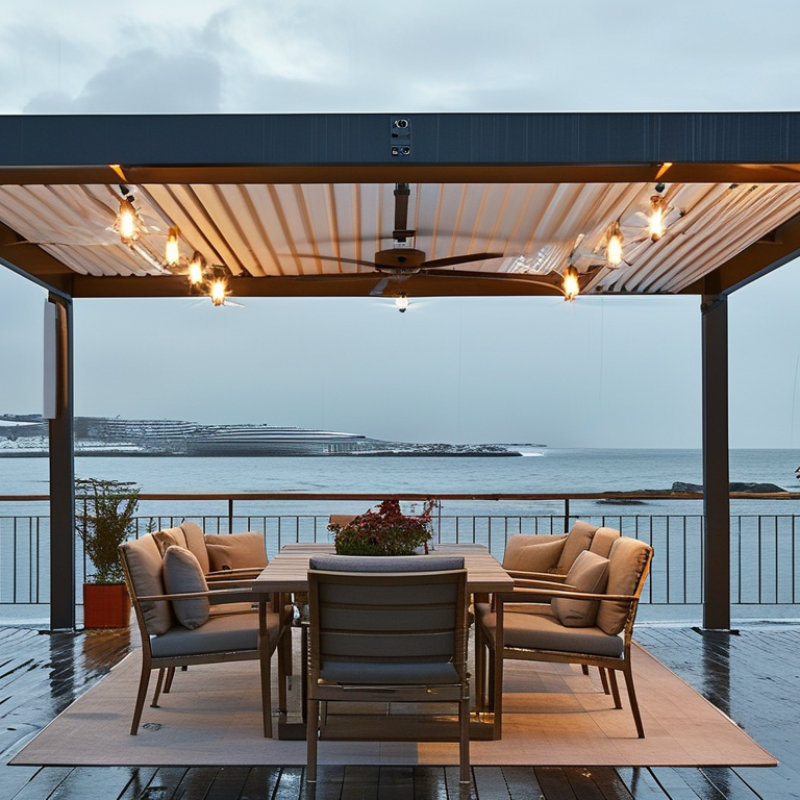
Automatic Pergolas: Definition, Features, and Operating Principles
Automatic pergolas are outdoor structures with motorized roofs, usually made from aluminum louvers or retractable fabric. Unlike fixed pergolas, they respond to user commands or changing weather conditions. A wall switch, remote control, or mobile application can adjust the roof angle within seconds.
The operating principle is straightforward. An electric motor drives a connected gear system, rotating the louvers to control sunlight and airflow. Rain sensors may close the roof automatically, while wind sensors can trigger a protective opening position. Some systems include LED lighting, drainage channels, and temperature sensors. However, automation is not magic. Sensors require correct installation, and heavy dust or poor calibration can reduce their accuracy.
In practical use, a well-designed pergola can make a patio more comfortable during strong sun or light rain. The roof should move smoothly without grinding, shaking, or sudden stops. Installers should check the frame level, electrical connections, emergency controls, and water drainage before handover. Regular cleaning matters, especially around hinges and gutters. A common mistake is choosing a motor for appearance rather than roof size and local wind exposure. That decision can create noise, slow movement, or early component failure. Safety remains important. Users should keep hands, furniture, and branches away from moving parts during operation.
Criteria for Ranking the Top 10 Global Manufacturers
Ranking the top 10 automatic pergola manufacturers requires more than comparing product prices. I examine engineering records, material grades, weather testing, and installation experience. Aluminum frames should resist corrosion, while roof systems need reliable movement after repeated use. Motor performance matters in rain, wind, and freezing conditions. Small details matter.
I also review independent certifications, safety controls, and documented factory procedures. A strong manufacturer provides load data, wiring guidance, maintenance schedules, and clear warranty terms. After-sales support deserves equal attention. Local technicians, spare-part availability, and response times often decide whether a system remains useful after installation. Customer evidence should include completed projects, not only polished photographs.
Automation compatibility also affects the ranking. Systems should connect safely with sensors, switches, and common control platforms. Energy use, noise levels, drainage design, and manual override options deserve practical testing. I compare customization without rewarding unnecessary complexity. A beautiful pergola can still perform poorly if water collects near the motor.
No ranking is flawless. Regional climate differences can change the results. Public information may also hide inconsistent installation quality. For that reason, I give greater weight to verifiable records, transparent specifications, and long-term service evidence. Manufacturers that admit limitations often appear more trustworthy than those promising perfection.
Profiles of the Top 10 Automatic Pergola Manufacturers
Top 10 Automatic Pergola Manufacturers Worldwide
Profiles of the Top 10 Automatic Pergola Manufacturers
The leading ten automatic pergola manufacturers serve residential, hospitality, and commercial projects. Their profiles differ sharply. Some focus on compact motorized roofs for patios. Others engineer large-span systems for restaurants and resorts.
Grand View Research valued the global outdoor furniture market at approximately USD 50 billion in 2023. Its report also anticipates steady growth through 2030. This trend supports demand for shaded outdoor rooms, but market size does not prove product quality. Buyers should inspect wind ratings, drainage design, motor protection, and warranty terms.
The top profiles usually share several technical strengths. One manufacturer specializes in retractable louvered roofs with rain sensors. Another develops corrosion-resistant aluminum frames for coastal locations. A third integrates lighting, temperature sensors, and mobile controls. Several suppliers offer custom dimensions, while others reduce costs through standardized modules.
Look closely.
Industry testing guidance and regional building requirements remain important. A pergola that performs well in a dry climate may struggle with snow, salt air, or sudden storms. The International Code Council reports that structural design must account for local wind and environmental loads. Installation quality also affects drainage and vibration. This is often underestimated.
Reported market rankings can be imperfect. Some studies measure pergolas separately, while others combine them with awnings or outdoor shading. Therefore, the strongest manufacturer profile should include verified project experience, transparent testing documents, responsive service, and replacement-part availability. A polished showroom is not enough. Performance records matter more.
