Contact Us
STATEN ISLAND FIBERAMA
Choosing the right Patio Doors in 2026 requires more than matching frame colors to a garden view. These doors affect daylight, ventilation, security, noise, and household energy use. The U.S. Department of Energy reports that windows can represent 25–30% of residential heating and cooling energy use. Patio doors deserve similar attention because their large glazed areas can create noticeable heat gain or loss.
Reliable comparisons should begin with certified performance data. The National Fenestration Rating Council evaluates U-factor, solar heat gain coefficient, visible transmittance, air leakage, and condensation resistance. Lower U-factor usually means better insulation. A lower solar heat gain coefficient can help in hot, sunny climates. However, the best number depends on your home’s orientation, shading, and weather. ENERGY STAR’s residential windows, doors, and skylights specifications also provide regional performance requirements, offering a useful benchmark for 2026 buyers.
Look closely.
A sliding door may save floor space, while a hinged French door can provide a wider opening. Track quality matters when sand collects near the threshold. Weather seals should remain flexible, not cracked or compressed. Glass choice matters too. Low-emissivity coatings, laminated panes, and argon-filled units can improve comfort, but they may increase the purchase price. Installation remains the uncomfortable variable. Even an excellent door can leak air when the sill is poorly flashed or the frame is misaligned. This guide weighs those practical details alongside manufacturer claims. It will not pretend that one design suits every home. Your climate, budget, wall structure, and daily habits should decide the final choice.
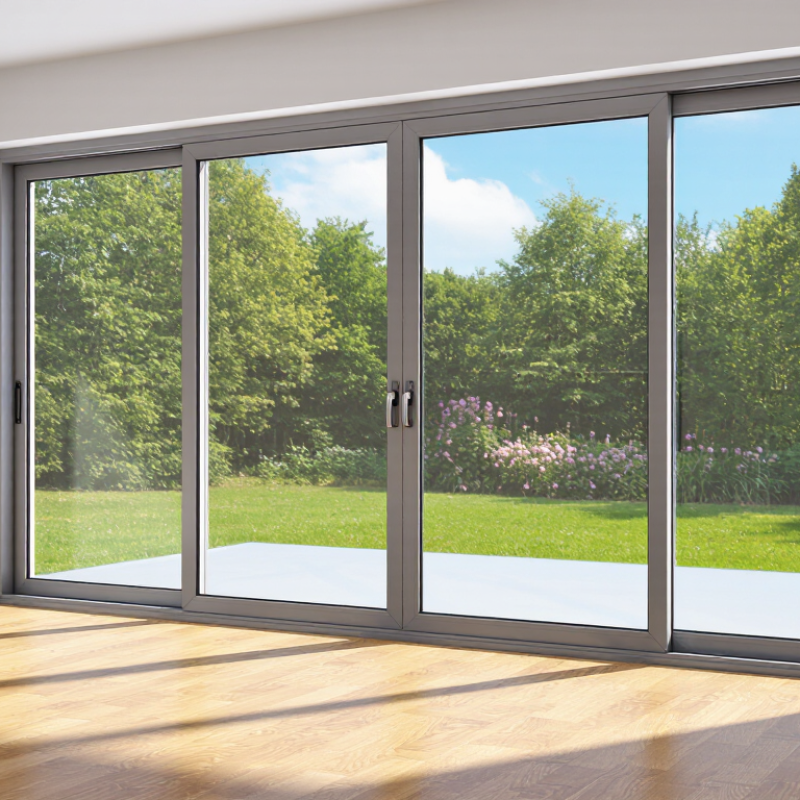
Choosing a patio door in 2026 starts with your room, not a catalogue. Measure the finished opening, wall width, ceiling height, and nearby furniture. Then check the door’s swing or sliding path. A beautiful hinged door becomes frustrating when a sofa blocks it.
Measure twice. Record three dimensions across the opening, because older walls are rarely perfectly square. Note the threshold height, floor level, drainage route, and exterior landing. Families with children, pets, or limited mobility may need a low threshold and wider clear passage. I once focused too much on glass size and overlooked curtain clearance. That mistake reduced usable wall space.
Energy performance also depends on your climate and orientation. The U.S. Department of Energy reports that windows account for about 25–30% of residential heating and cooling energy use. A large glazed patio door deserves careful attention to U-factor and solar heat gain coefficient. The National Fenestration Rating Council explains that lower U-factor generally means better insulation, while SHGC should match local sunlight conditions. South-facing glass may need stronger solar control. North-facing glass may benefit from higher solar gain.
Do not assume the largest opening is best. Compare the clear opening after panels, handles, screens, and trim are installed. Check the sill height against your flooring plan. Leave room for weather sealing and future repairs. Manufacturer performance data helps, but your actual opening, exposure, and installation quality matter more. A smaller, correctly fitted door can outperform a larger door installed carelessly.
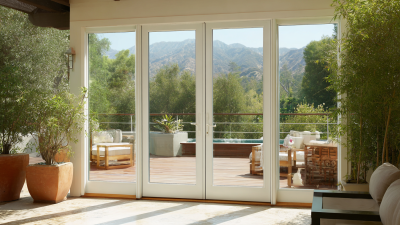
Choosing the best patio doors in 2026 starts with the opening style, not the color. Sliding doors save floor space and suit compact rooms. French doors create a wider, traditional entrance but need clear swing space. Folding doors can open nearly an entire wall. They also demand accurate installation and stronger structural support.
Material affects comfort, maintenance, and service life. Fiberglass resists moisture and temperature changes, while aluminum offers slim frames and large glass areas. Vinyl is practical and usually easier to maintain. Wood feels warm and authentic, but it needs regular sealing, especially near humid climates. In my experience, small installation errors can cause drafts, water leaks, or difficult operation. A beautiful door will not perform well if the wall opening is uneven.
Tips: Measure the opening twice, including the finished floor height. Check thermal performance, weather seals, drainage paths, and glass safety ratings. Ask how the rollers, hinges, and locks can be repaired later. Consider daily habits, too. A heavy folding panel may look impressive but frustrate older users or children. Local building requirements should also be confirmed before ordering. I would not choose only by appearance; that mistake is easy to make. Test a display door if possible, and notice whether the handle feels solid, the panels align smoothly, and the threshold stays comfortable underfoot.
| Patio Door Type | Common Materials | Opening Style | Daylight and View | Ventilation | Space Required | Energy and Weather Performance | Maintenance | Best Use |
|---|---|---|---|---|---|---|---|---|
| Sliding Patio Door | Vinyl, aluminum, fiberglass, or wood | One or more panels slide horizontally along a track; usually one active panel and one fixed panel | High Large glass area with slim sightlines on many designs |
Medium Typically opens only one panel width |
Excellent No interior or exterior swing clearance |
Good when fitted with insulated glazing, weatherstripping, and a well-sealed track; track drainage is important | Low to Medium Track cleaning and roller adjustment may be needed |
Small rooms, decks, balconies, and areas where furniture is close to the doorway |
| French Patio Door | Wood, fiberglass, vinyl, or aluminum-clad wood | Two hinged panels swing inward or outward from the center | High Wide opening and traditional divided-panel options |
High Both panels can open for broad airflow |
Requires Clearance Swing area must remain unobstructed |
Can perform very well with compression seals and multipoint locking; installation quality is critical | Medium Hinge, seal, and hardware checks are required |
Traditional homes, wide terraces, dining areas, and rooms needing maximum ventilation |
| Bi-Fold Patio Door | Aluminum, wood, fiberglass, or composite materials | Multiple hinged panels fold and stack to one or both sides | Very High Creates a wide, near-wall opening |
Very High Most or all panels can open |
Partial Clearance Folded panels need stacking space |
Good products use thermally improved frames and sealed tracks; more joints require careful weather sealing | Medium Tracks, rollers, hinges, and seals need periodic care |
Entertaining areas, indoor-outdoor transitions, and wide openings with unobstructed views |
| Multi-Slide Patio Door | Aluminum, fiberglass, or wood-clad systems | Several large panels slide along parallel or concealed tracks and may stack or disappear into a wall pocket | Very High Large uninterrupted glass expanses |
High Opening width can be substantial |
Excellent Little swing space; stacking or pocket space is required |
Performance depends heavily on frame design, glass specification, track drainage, and professional installation | Medium Large panels and tracks require regular cleaning and adjustment |
Modern architecture, large openings, premium views, and seamless indoor-outdoor design |
| Tilt-and-Turn Patio Door | Vinyl, wood, aluminum, or composite materials | Tilts inward from the top for ventilation or swings inward like a hinged door | Medium to High Usually available as a single or double door |
High Controlled top ventilation plus full opening |
Requires Interior Clearance Operates inward in most configurations |
Strong compression seals can provide good air and water resistance when correctly installed | Medium Complex hardware benefits from periodic lubrication and adjustment |
Climate-controlled rooms needing secure ventilation and flexible operation |
| Center-Hinged Patio Door | Wood, fiberglass, vinyl, or aluminum | One panel swings from side hinges; can be used alone or with a fixed sidelight | Medium Varies with panel and sidelight configuration |
Medium One active panel provides ventilation |
Requires Clearance Needs a clear swing path |
Often provides strong perimeter sealing; threshold and frame installation affect overall performance | Medium Hardware and weather seals should be inspected periodically |
Secondary entrances, narrow openings, and designs requiring a simple hinged door |
| Screened or Retractable-Screen Patio Door | Aluminum, fiberglass mesh, vinyl, or fabric screen materials | Sliding, hinged, or retractable screen operation; usually paired with a glazed patio door | High Preserves the view when the screen is open or retracted |
Very High Allows airflow while helping reduce insects |
Low Clearance Depends on the screen mechanism |
Not a substitute for an insulated exterior door; provides insect control rather than thermal insulation | Medium Mesh, rollers, and tracks can require cleaning or replacement |
Warm seasons, naturally ventilated rooms, and homes where insect protection is important |
Comparison note: Ratings are general guidance for common residential configurations. Actual energy efficiency, air leakage, water resistance, security, accessibility, and durability depend on the complete door assembly, glazing, hardware, threshold, local climate, installation quality, and applicable building codes. Look for independently tested performance labels and low-emissivity insulated glass where appropriate.
How to Choose the Best Patio Doors in 2026?
Energy efficiency should guide your patio door decision, not just its appearance. Check the U-factor, which indicates how well the door resists heat transfer. Lower values generally perform better in cold climates. The solar heat gain coefficient matters in sunny regions. A lower rating can reduce unwanted summer heat. Low-emissivity coatings and insulated glass units improve indoor comfort. Still, impressive glass ratings cannot correct poor installation.
Glass selection also depends on daily risks and room orientation. Double glazing suits many homes, while triple glazing may help in colder areas. Laminated glass can reduce noise and remain bonded after impact. Tempered glass offers improved resistance to thermal stress and breakage. I have found that clear glass often creates glare near west-facing rooms. Tinted or spectrally selective glass may help, but it can slightly change indoor colors.
Weather resistance deserves close inspection. Look for tested air leakage, water penetration, and structural performance ratings. A wide sill, effective drainage paths, and properly sealed corners matter during driving rain. Flashing should direct water away from the wall, not trap it behind the frame.
One small installation gap can cause drafts, even with excellent materials. I once underestimated wind exposure on a coastal project. That choice required later adjustments. No rating replaces careful site assessment, and that is where many otherwise good decisions fail.
How to Choose the Best Patio Doors in 2026?
Security should begin with the frame, not the handle. Choose a patio door with a multipoint lock, reinforced strike plates, and anti-lift protection. Laminated glass can slow forced entry and reduce dangerous shattering. Ask for documented testing under current FGIA/AAMA performance standards. Vague claims are not enough. I also inspect the track in person. A loose track can undermine an excellent lock.
Accessibility affects daily comfort. The U.S. Access Board identifies 32 inches as a useful clear-opening benchmark for accessible passage, although residential requirements may differ locally. Select a low, clearly visible threshold and a handle that works with limited grip strength. Smooth rollers matter for wheelchairs, strollers, and tired hands. Test the door after installation. A specification sheet cannot reveal every awkward movement.
Maintenance and durability deserve equal attention. The U.S. Department of Energy reports that windows can represent 25–30% of residential heating and cooling energy use, so review the NFRC label for U-factor and solar heat gain coefficient. Durable doors need corrosion-resistant hardware, stable frames, replaceable weather seals, and drainage openings that remain clear. Clean tracks regularly and inspect seals twice yearly. No patio door is maintenance-free. I once overlooked water pooling near a track; the damage appeared months later. Choose tested performance, accessible operation, and parts that can realistically be replaced.
Choosing the best patio doors in 2026 starts with estimating the complete project cost, not the unit price. Start with the door, frame, glass, delivery, removal, labor, permits, trim, and disposal. Measure the opening twice. Small errors can create expensive wall repairs. Ask for three itemized quotes, and require each installer to explain exclusions.
Installation often controls comfort and durability. A low quote may omit waterproof flashing or interior finishing. Include those details in writing.
For sunny rooms, compare U-factor, solar heat gain, and visible light ratings. For exposed openings, prioritize tested air and water resistance.
Tempered safety glass is commonly required near walking areas, but local rules should guide the final choice. Check the warranty terms carefully.
Compare sliding, hinged, folding, and multi-panel layouts against your room’s traffic pattern. Sliding doors save interior space, while hinged doors usually need a clear swing area.
Large panels can improve views but may increase structural work and delivery costs.
I have seen attractive designs fail because the threshold drained poorly. That experience still makes me cautious. Set a realistic budget range, then keep a contingency for hidden framing damage. Recheck the estimate after the installer inspects the opening, because the first number is rarely perfect.
© 2025 Fiberama All Rights Reserved.