How to Choose the Best Awning for Your Porch?

Choosing the right awning for your porch can significantly enhance your outdoor experience. According to industry reports, more than 30% of homeowners invest in awnings to improve sun protection and aesthetic appeal. An awning for porch not only shields you from harmful UV rays but also helps reduce indoor cooling costs by blocking direct sunlight.

Many factors come into play when selecting an awning. Material, size, and style are key considerations. Homeowners often overlook the importance of blending functionality with design. Customization options are abundant today, yet many settle for standard models that may not meet their specific needs.

Data reveals that a well-chosen awning can increase a property's value by up to 8%. However, a poorly selected awning can end up being an eyesore. It's essential to invest time in research, ensuring the right fit for your household. Reflect on how much time you spend outdoors and how an awning can elevate that experience.
How to Choose the Best Awning for Your Porch?

Factors to Consider When Selecting an Awning for Your Porch

When selecting an awning for your porch, several key factors come into play. The size of your porch will directly influence the dimensions of the awning. According to industry reports, an awning should typically extend at least 5 feet from the house for optimal coverage. This ensures enough shade, especially during the hottest months.

Material choice also matters. Common options include fabric, aluminum, and vinyl. Fabric awnings can be more aesthetically pleasing but may require more maintenance. Experts suggest a UV-resistant fabric for better durability, as exposure to sunlight can fade colors quickly. Aluminum provides longevity but may not offer the same visual appeal.

Tip: Consider the weather in your area. If heavy rain or snow is common, opt for a sturdier material.

Color and design should reflect your home’s style. Subtle patterns might blend well, but bold colors can make a statement. Make sure it complements the overall look of your home.

Tip: Consult local regulations. Some areas may have restrictions on awning appearances or sizes.

Ultimately, factor in your budget. More expensive options often provide better durability and aesthetics. However, cheaper models might need frequent replacements. Think about long-term costs versus initial savings. Balancing these factors will lead you to the ideal choice for your porch.

Types of Awnings Available for Porch Installations

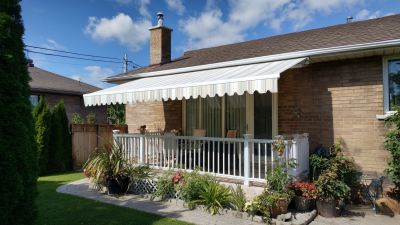
When choosing an awning for your porch, understanding the types available is essential. There are primarily three types of awnings: retractable, stationary, and freestanding. Retractable awnings are versatile. They can be extended or retracted based on the weather. This flexibility can save energy costs, as studies show that exterior shading can reduce cooling costs by 20-50%.

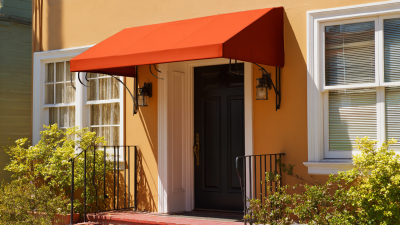
Stationary awnings are fixed in place. They offer consistent protection from rain and sun. This type is often more durable than retractable options. Additionally, stationary awnings enhance a home’s aesthetic appeal. Homeowners have reported increased property values due to their installation.

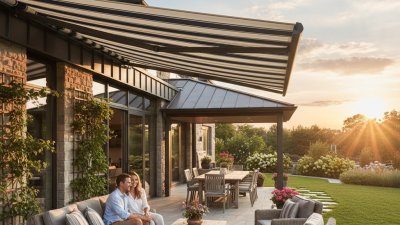
Freestanding awnings provide unique coverage. You can position them anywhere in your yard. They create shaded outdoor spaces, making them ideal for gatherings. However, they require adequate anchoring to prevent tipping in strong winds. A 2022 industry report indicated that incorrect installation is a common issue, leading to safety hazards. So, professional installation is often recommended for optimal safety and durability.

Types of Awnings Available for Porch Installations

Measuring Your Porch for the Perfect Awning Fit

Measuring your porch accurately is crucial for finding the perfect awning. Start by measuring the width. Use a tape measure to get the distance from one side of the porch to the other. Record this number. It should be as precise as possible, within an inch. An awning that is too wide or too narrow will not fit well and can affect its functionality.

Next, measure the length. This refers to how far you want the awning to extend from the wall. Common extensions range from 5 to 10 feet. Visualize the space. A too-small awning may leave your porch exposed to the sun, while an oversized awning can feel overwhelming. Additionally, consider the height. Often, people forget to account for this. The top of the awning should clear any obstacles above, like lights or shutters.

Lastly, think about the angle. A slight slope can help with drainage. However, one that is too steep may not provide adequate shade. It’s a balance. Don’t rush through these measurements. Take your time. Sometimes, making mistakes can lead to delays. Reflect on how your choices impact your outdoor experience. The right awning can transform your porch into a cozy retreat.

Materials and Durability: Choosing the Right Awning Fabric

How to Choose the Best Awning for Your Porch?

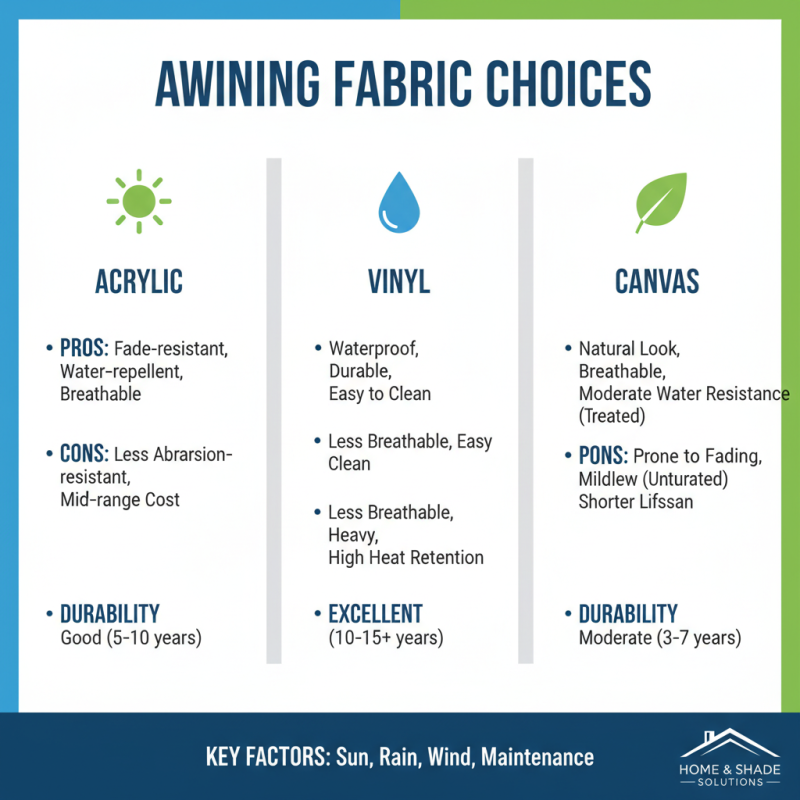
When choosing the right awning fabric, consider both materials and durability. Different fabrics offer various benefits and drawbacks. Common materials include acrylic, vinyl, and canvas. Each has its unique properties that can affect longevity and maintenance.

Acrylic fabrics are popular for their UV resistance. They prevent fading and protect your furniture. However, they can be more expensive. Vinyl is durable and waterproof, making it suitable for harsh weather. Yet, it might not breathe well. Canvas, while aesthetically pleasing, may require more care.

Tips: Examine the local weather conditions. Choose fabrics that withstand wind, rain, or sun exposure. Think about maintenance too. Some materials might need regular cleaning or treatments.

Reflect on your lifestyle. If you use your porch often, a durable fabric is essential. But if aesthetics matter more, prioritize what looks good. Striking a balance between practicality and style is crucial. This choice impacts your enjoyment of the space.

Aesthetic and Functional Considerations for Porch Awnings

When choosing a porch awning, aesthetics and functionality play crucial roles. An awning should complement your home's style. Consider colors that harmonize with the exterior. Patterns can add character but may clash with the overall look. Balance is essential. The right style can transform your porch into a welcoming space.

Functionality is equally important. Think about the amount of shade you need. A larger awning can provide more coverage, but it may overwhelm a small porch. Materials also matter; choose ones that can withstand weather conditions in your area. Some materials fade over time, which can diminish the awning's beauty. Reflect on how the awning will perform throughout the seasons.

Don’t overlook the impact on your vision. Ensure the awning offers the desired view while blocking harsh sunlight. Sometimes, an awning can obstruct views you love. Think about placement carefully. Experiment with different designs to see what feels right. Make a choice that resonates with your lifestyle and aesthetic preferences.

Contact us

Let's Get Started!

Competitive Pricing and Exceptional Service!