How to Choose the Best Sound Attenuation Wall Panels?

Choosing the right Sound Attenuation Wall Panels is crucial for achieving a peaceful environment. Whether you're designing a music studio or an open office space, sound control is essential. Poor panel selection can lead to ineffective noise reduction, leaving unwanted sound disturbances.

To make an informed choice, you must understand the different types of sound attenuation materials available. Each material varies in density, thickness, and absorption qualities. A thorough examination of your specific needs will guide your selection. For example, a high-density panel may be necessary for a loud environment.

Many buyers overlook installation techniques, which can impact performance. Proper installation is as important as the panel choice itself. Regular reviews and adjustments may also be necessary after initial installation. Remember, sound attenuation is an ongoing process requiring continuous evaluation.
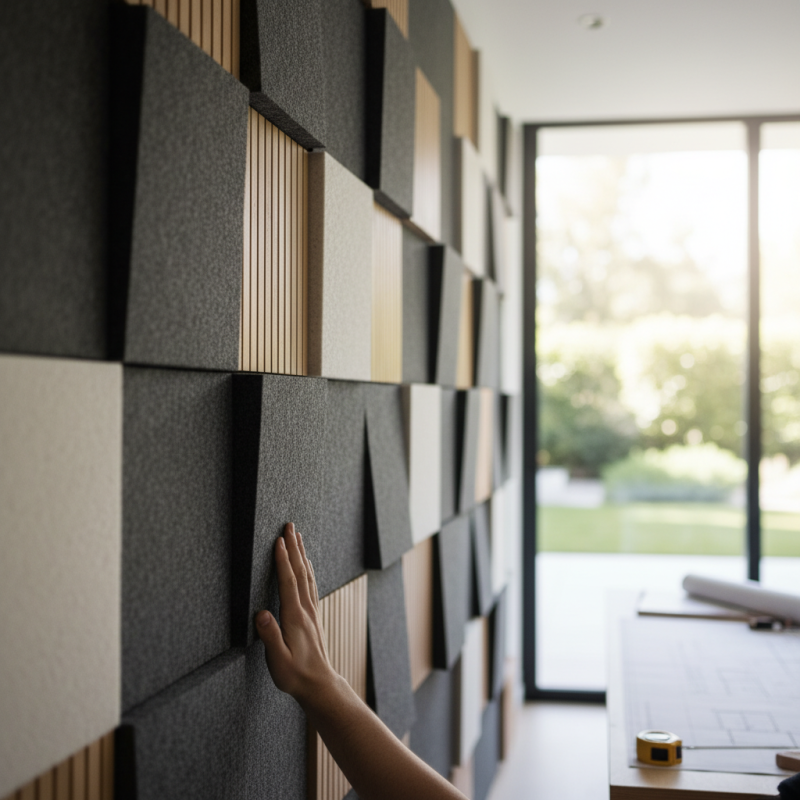
How to Choose the Best Sound Attenuation Wall Panels?

Understanding Sound Attenuation: Definition and Importance

Sound attenuation refers to the ability of materials to reduce sound transmission. This is crucial in various environments such as offices, studios, and schools. High levels of noise can lead to decreased productivity and increased stress. According to the World Health Organization, unwanted noise can have severe health effects, including sleep disturbances and cardiovascular issues.

Research indicates that nearly 70% of people in open-office environments report dissatisfaction due to noise. This highlights the importance of effective sound attenuation solutions. Selecting the right wall panels can mitigate these issues. Look for panels that offer high Noise Reduction Coefficient (NRC) ratings, ideally above 0.7. This measurement indicates how effectively a material absorbs sound, reducing echo and improving overall acoustics.

While many panels claim to offer superior soundproofing, not all perform equally. DIY installations often lead to mistakes, such as improper sealing or installation inconsistencies, which can compromise effectiveness. It’s vital to consult expert resources or guidelines on panel placement and room acoustics. The nuanced interaction between different materials and room shapes can significantly impact results. Understanding these details will lead to more satisfying and effective sound environment.

Key Factors to Consider When Choosing Sound Attenuation Wall Panels

When selecting sound attenuation wall panels, several factors come into play. Understanding the sound transmission class (STC) is essential. The STC rating quantifies how well a material reduces sound transmission. Research indicates that panels with an STC rating of 20 to 25 provide minimal sound reduction, while ratings above 35 show significant improvement. Always check the specifications closely to match your noise control needs.

Material type also warrants consideration. Acoustic foam panels are popular for their lightweight nature. However, mineral wool panels often offer superior sound absorption. Studies suggest that mineral wool can achieve a noise reduction coefficient (NRC) of up to 0.90, indicating high efficacy. Reflect on the intended use of your space and the sound frequencies you aim to mitigate.

Aesthetics should not be overlooked. While functionality is critical, the visual appeal can enhance the environment. Some panels come in various colors or designs, addressing both sound performance and decor. Consider how the panels blend with your existing setup. Choices should reflect not only technical specifications but also personal taste and style.

Sound Attenuation Wall Panels Comparison

Types of Sound Attenuation Materials and Their Effectiveness

When selecting sound attenuation wall panels, understanding the materials is key. Different materials offer varying degrees of sound dampening. For instance, fiberglass panels are well-regarded for their high sound absorption rating. They can reduce sound transmission by 75% or more in certain scenarios. This makes them ideal for offices and studios where noise control is essential.

Mineral wool and acoustic foam are also effective alternatives. Mineral wool panels can absorb sound frequencies within the mid to high range. Their performance varies based on density and thickness. Acoustic foam, lightweight and versatile, is commonly used in home theaters. However, it may not perform as well in extreme environments. Research suggests combining different materials can enhance overall sound attenuation.

Another point to consider is installation. Properly installed panels increase effectiveness. Gaps or poor placement can reduce sound absorption significantly. According to recent studies, misaligned panels can create unwanted sound reflections. This highlights the importance of both material choice and expert installation. Achieving optimal sound attenuation is a balance of various factors.

How to Choose the Best Sound Attenuation Wall Panels?

Material Type NRC Rating Sound Reduction (dB) Common Applications Durability
Foam Panels 0.70 20-30 Studios, Home Theaters Moderate
Fabric Wrapped Panels 0.85 25-35 Offices, Conference Rooms High
Wood Panels 0.65 15-25 Restaurants, Libraries Very High
Acoustic Tiles 0.95 30-40 Schools, Theaters High
Mass Loaded Vinyl (MLV) N/A 40-50 Recording Studios, Industrial Very High

Installation Tips for Maximizing the Benefits of Wall Panels

When installing sound attenuation wall panels, positioning is crucial. Place them in areas where sound reflects. Pay attention to corners and flat surfaces. These spots often amplify noise. Using more panels in these areas can significantly reduce unwanted sounds. Test the placement before final installation for optimal effect.

Adhesion is another key factor. Ensure your panels are securely attached. Some panels require special adhesives to function well. Follow the manufacturer’s guidelines carefully. This will prevent sagging or detachment over time. Always check the weight of the panels against the wall material. Unanticipated heavy panels may require additional support.

Always evaluate the acoustics in your space after installation. Some panels may not provide the desired results in certain areas. If the sound issue persists, consider repositioning or adding more panels. This process can be trial and error. Keep a record of what works and what doesn’t. Continuous adjustment can lead to better sound quality in your environment.

Budgeting for Sound Attenuation: Costs vs. Long-term Benefits

When considering sound attenuation wall panels, budgeting is crucial. Initial costs can vary significantly, from $20 to $75 per panel, depending on materials and performance. A study by the Acoustical Society of America found that higher-priced options often provide better soundproofing and durability. Investing in quality panels can lead to significant long-term benefits.

Consider potential savings on noise-related health issues. The World Health Organization links chronic noise exposure to stress and sleep disturbances. A quiet environment promotes productivity and well-being. In fact, improving acoustic comfort can boost satisfaction by up to 20%, according to a report by the National Institute of Building Sciences.

Sometimes, the cheapest option may require replacement sooner. This can nullify upfront savings. It’s wise to assess the total cost of ownership over several years. Quality panels prove invaluable in noisy environments like offices or studios. They enhance focus and reduce distractions, proving that effective sound attenuation is not just an expense, but an investment in comfort and productivity.

Contact us

Let's Get Started!

Competitive Pricing and Exceptional Service!