Contact Us
STATEN ISLAND FIBERAMA
Choosing the best material for windows and doors is crucial for any building project. The right choice impacts aesthetics, energy efficiency, and durability. Homeowners often feel overwhelmed by the options available.
Different materials bring distinct benefits and drawbacks. For instance, wood offers natural beauty but requires regular maintenance. Vinyl is low-maintenance but may lack in appearance. Aluminum is strong but can conduct heat poorly. Understanding these materials helps make informed decisions.
Selecting the right windows and doors can add value to a property. However, many do not consider the long-term implications. It’s essential to reflect on your specific needs. Choosing a sustainable material can be beneficial for the environment. Ultimately, the right window and door choices enhance comfort and ensure lasting satisfaction.
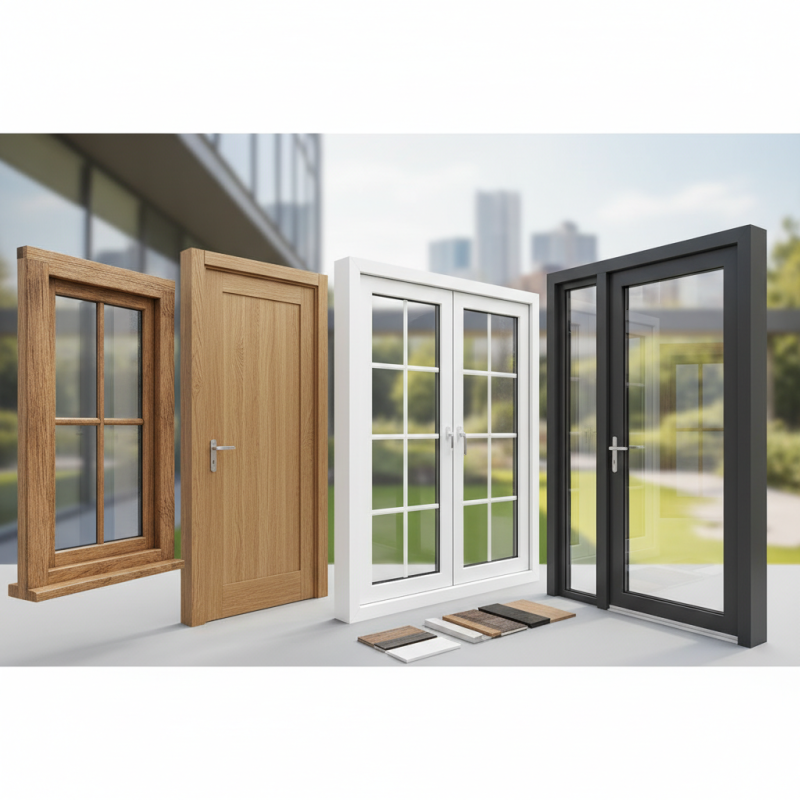
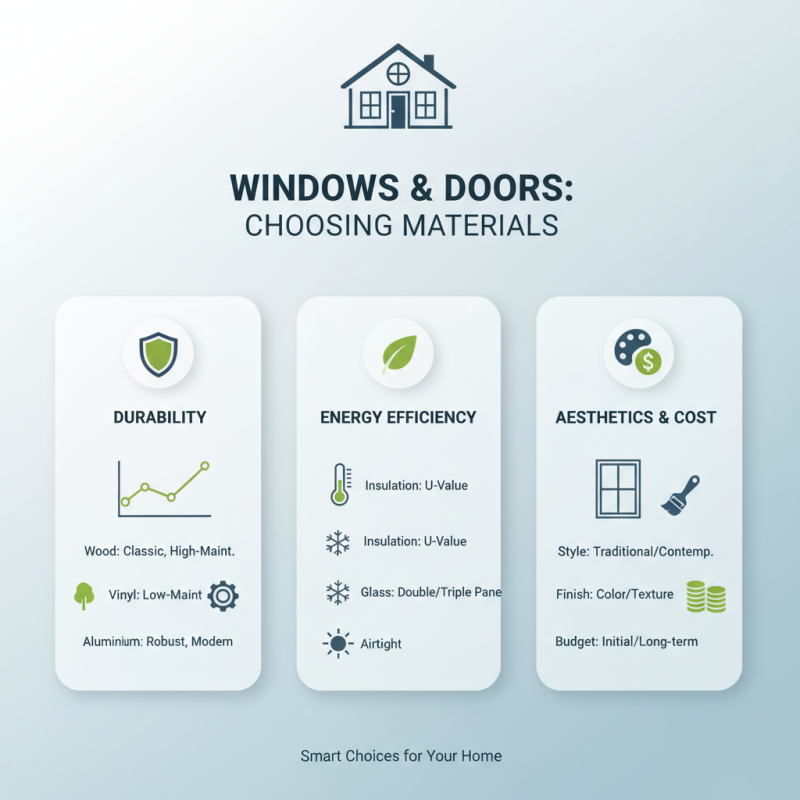
Choosing the right materials for windows and doors is essential. Several key factors influence this decision. Durability is a priority. Materials like wood, vinyl, and aluminum vary significantly in lifespan. For example, wood provides a classic look but may require more maintenance. Conversely, vinyl is often low-maintenance but can be less aesthetically pleasing.
Another crucial factor is energy efficiency. Proper insulation helps reduce energy costs. Materials with high R-values can keep homes comfortable year-round. While wood offers natural insulation, metal frame options may lead to heat loss. Consider local climate impacts when deciding.
Aesthetic appeal should not be overlooked. Different materials offer unique styles. For instance, fiberglass can mimic wood's look but with better durability. However, the wrong color choice or texture may clash with your home’s design. It’s vital to visualize how each material complements the overall architecture. Choosing window and door materials can feel overwhelming. Balancing functionality, energy efficiency, and appearance is not always straightforward. Each option presents advantages and drawbacks that deserve careful thought.

When choosing materials for windows and doors, several options stand out.
Wood is a classic choice that offers a warm, natural aesthetic. It provides good insulation but requires regular maintenance to prevent decay.
Steel, on the other hand, offers robustness and security. It's resistant to weather elements yet can rust without proper treatment.
Aluminum is lightweight and corrosion-resistant.
It allows for large, sleek designs but may not insulate as well as other materials.
Vinyl is becoming increasingly popular for its energy efficiency and low maintenance.
It doesn't require painting or staining but may fade over time.
Each material has its pros and cons. They all provide different charm and functionality. The right choice depends on personal preferences and local climate. Reflecting on these characteristics can help ensure a savvy investment for your home.
When considering materials for windows and doors, each option brings unique characteristics. Wooden frames offer a classic look. They provide excellent insulation and can be painted in any color. However, wood requires regular maintenance to prevent rotting and warping. Without care, these beautiful frames can deteriorate quickly.
Vinyl is popular due to its durability. It does not warp and is resistant to moisture. The color is embedded in the material, so it won’t fade easily. Yet, vinyl might not appeal to everyone aesthetically. In hotter climates, it can absorb heat, potentially affecting indoor temperatures.
Aluminum is lightweight and strong, making it a sturdy choice. It requires less maintenance than wood but can conduct heat and cold easily. This might lead to higher energy costs in extreme temperatures. Fiberglass frames are another option. They provide excellent insulation and resist dents and scratches. However, they can be more expensive and may not have as many color choices as other materials.
Choosing the right material for windows and doors impacts energy efficiency significantly. Wood, vinyl, and aluminum are popular choices. Each material has unique insulation properties that affect thermal performance. Wood, while aesthetically pleasing, may require regular maintenance. It offers great insulation but can warp over time.
Vinyl is low-maintenance and energy-efficient. It provides excellent insulation, keeping homes warm in winter and cool in summer. However, vinyl can fade under harsh sunlight, limiting its long-term appeal. Aluminum is durable and strong but conducts heat. This means it might need thermal breaks to improve insulation.
When selecting materials, think about climate and building design. The right choice can enhance comfort and reduce energy bills. Yet, many overlook the importance of glazing and installation. These factors can drastically affect overall energy performance. Understanding each option’s pros and cons is crucial for making informed decisions.
When considering materials for windows and doors, cost and durability are critical factors. Typically, vinyl tends to be the most economical choice. It can cost between $300 to $600 per window. However, its lifespan is about 20 to 40 years. Wood may provide better aesthetics. Still, it requires more maintenance and can have a shorter lifespan, averaging around 30 years if properly cared for.
Metal such as aluminum is durable and resistant to corrosion, with a lifespan of 30 to 50 years. Yet, initial costs can be higher, often exceeding $600. Fiberglass offers exceptional durability, often lasting over 50 years, but can be more expensive, averaging over $1,000 per unit. Choosing a material requires balancing upfront costs and long-term maintenance. Every material has its pros and cons.
For instance, while vinyl is cheap, it may not offer the same energy efficiency as fiberglass. This leads many to rethink their choices. Each material presents its unique challenges. If windows and doors are expected to last decades, investing in a higher-quality option might be wise. However, affordability plays a huge role in decision-making. Buyers must weigh value against immediate budget constraints. Careful consideration is crucial.
| Material | Cost per Unit | Durability (Years) | Energy Efficiency | Maintenance |
|---|---|---|---|---|
| Vinyl | $100 - $300 | 20 - 40 | Good | Low |
| Aluminum | $150 - $500 | 20 - 30 | Moderate | Moderate |
| Wood | $200 - $600 | 15 - 30 | Excellent | High |
| Fiberglass | $250 - $800 | 30 - 50 | Excellent | Low |
| Composite | $300 - $700 | 20 - 40 | Good | Moderate |
© 2025 Fiberama All Rights Reserved.