7 Best Ceramic Toilet Pans for Global Buyers

Choosing a Ceramic Toilet Pan is not simply a matter of comparing glossy finishes or low prices. Global buyers must consider flushing performance, installation design, water efficiency, durability, and compatibility with local plumbing systems. A pan that works perfectly in Australia may not suit a bathroom project in Europe, Asia, Africa, or North America. Outlet position, inlet requirements, trap design, and seat dimensions can vary widely. Small details matter.

This guide examines seven ceramic toilet pans selected for practical international buying decisions. The comparison focuses on vitreous china quality, rim design, cleaning access, structural strength, and manufacturer support. We also consider packaging protection, replacement parts, certification information, and the reliability of supplier communication. These points can affect the final cost as much as the original product price.

Some models appear impressive in product photographs. Reality can be less polished. A thin glaze may reveal staining over time, while an attractive compact shape may create uncomfortable seating or difficult maintenance. Buyers should request technical drawings, test reports, and clear shipping terms before placing an order. Measurements should be checked twice.

The “best” option depends on the project, not just the brand. Household bathrooms, hotels, apartments, and accessible facilities require different priorities. Local water pressure and installation practices also deserve attention. No single Ceramic Toilet Pan suits every market. This review provides a practical starting point, while encouraging buyers to confirm specifications with qualified installers and trusted manufacturers. Mistakes are possible, especially when product descriptions are incomplete. Careful verification remains the safest approach.
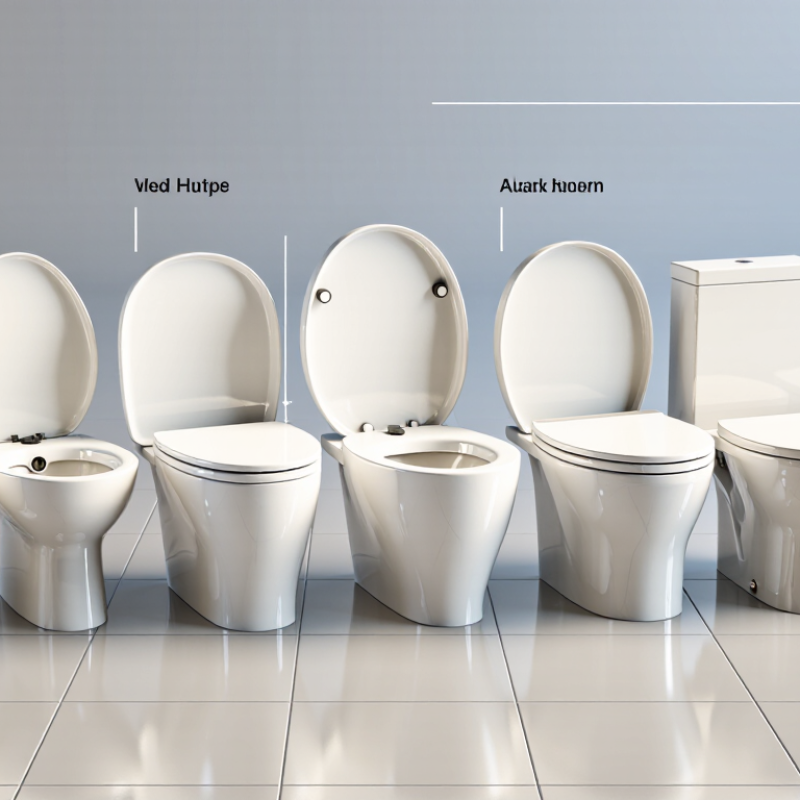
7 Best Ceramic Toilet Pans for Global Buyers

Ceramic Toilet Pan Basics: ≤0.5% Water Absorption and Key Types

For global buyers comparing seven ceramic toilet pans, water absorption deserves close attention. A quality ceramic pan should absorb no more than 0.5% water by weight. Lower absorption helps resist staining, odors, freeze-related damage, and surface deterioration. However, the exact test method and certification should match the destination market.

Ask suppliers for laboratory results, glaze specifications, and production inspection records. A practical check includes examining the rim, outlet, trapway, and mounting holes under bright light. Look for pinholes, uneven glaze, hairline cracks, or rough internal surfaces. Details matter. A smooth trapway usually supports easier flushing and cleaning, but flushing performance also depends on water pressure and pan design.

Key types include floor-mounted pans, wall-hung pans, one-piece models, and two-piece models. Floor-mounted designs often simplify installation and replacement. Wall-hung versions save visible floor space, yet they require a properly reinforced wall frame. One-piece pans have fewer joints and are easier to wipe clean. Two-piece pans may reduce shipping risk and simplify component replacement. Rimless pans can improve access during cleaning, although their performance depends heavily on water-channel engineering. I once judged quality by surface gloss alone; that was a mistake. Gloss can hide weak shaping or poor dimensional control. Measure twice. Also confirm inlet sizes, rough-in distance, seat compatibility, packaging strength, and local installation requirements before ordering.

7 Best Ceramic Toilet Pans for Global Buyers - Ceramic Toilet Pan Basics: ≤0.5% Water Absorption and Key Types
Rank Ceramic Toilet Pan Type Typical Overall Size (W × D × H) Typical Water Absorption Common Outlet Configuration Typical Flush Volume Main Advantages Best Application Key Buying Check
1 Rimless Close-Coupled Pan 360–380 × 650–720 × 760–850 mm ≤0.5% for vitreous china Floor outlet; horizontal, vertical, or variable outlet depending on model 3/4.5 L or 3/6 L dual flush Easy installation, compact cistern integration, improved bowl access, and reduced areas for dirt accumulation Residential bathrooms, apartments, hotels, and replacement projects Confirm pan-to-cistern compatibility, outlet position, seat fixing centers, and flush performance
2 Wall-Hung Rimless Pan 355–380 × 500–560 × 350–400 mm pan body ≤0.5% for vitreous china Rear horizontal outlet connected to a concealed carrier frame 3/4.5 L or 3/6 L dual flush Open floor area for cleaning, adjustable mounting height, modern appearance, and reduced visible plumbing Modern homes, accessible bathrooms, hotels, and premium renovation projects Check wall strength, carrier-frame compatibility, finished wall depth, service access, and user height requirements
3 Back-to-Wall Pan 360–380 × 520–600 × 400–430 mm ≤0.5% for vitreous china Floor outlet; rear outlet options are available in some configurations 3/4.5 L or 3/6 L dual flush Conceals the cistern and pipework while retaining floor-standing installation and straightforward servicing Compact bathrooms, renovations, and projects where a concealed cistern is preferred Measure the rough-in distance, rear clearance, cistern access, and floor-level tolerances before ordering
4 One-Piece Elongated Pan 360–390 × 680–760 × 680–780 mm ≤0.5% for vitreous china Usually floor outlet; outlet direction varies by regional plumbing layout 3/4.5 L or 3/6 L dual flush Integrated pan-and-cistern design, fewer external joints, stable construction, and simple exterior cleaning Family bathrooms, new residential construction, and buyers seeking an integrated design Verify shipping weight, rough-in size, seat inclusion, cistern valve access, and local plumbing connections
5 Two-Piece Elongated Pan 360–390 × 680–760 × 760–850 mm assembled ≤0.5% for vitreous china Floor outlet; horizontal or vertical outlet options vary by market 3/4.5 L or 3/6 L dual flush Easy to transport in separate sections, broad availability, replaceable cistern components, and flexible installation High-volume residential projects, export distribution, and standard bathroom replacements Check tank-to-pan bolt spacing, gasket design, rough-in distance, and whether the seat and fittings are included
6 Compact Round-Front Pan 350–380 × 600–680 × 750–850 mm assembled ≤0.5% for vitreous china Generally floor outlet; configuration depends on the local drainage system 3/4.5 L or 3/6 L dual flush Shorter projection than an elongated pan, efficient use of floor space, and suitability for narrow bathrooms Small apartments, powder rooms, compact en-suites, and space-limited renovations Compare projection from the finished wall, door swing clearance, bowl height, and available maintenance space
7 Ceramic Squat Pan 400–500 × 500–650 × 180–250 mm ≤0.5% for vitreous china Floor-level outlet; outlet direction and trap arrangement vary by region Manual or cistern-fed; commonly designed around local water-use requirements Floor-level use, simple visible form, low installation height, and compatibility with markets where squat toilets are customary Residential and public facilities in regions where floor-level sanitation is preferred Confirm foot-support dimensions, anti-slip surface, trap seal, drainage direction, installation slope, and local code compliance
Technical note: Water absorption of ≤0.5% is a common performance target for vitreous china sanitaryware. Actual dimensions, outlet arrangements, flush volumes, and certification requirements vary by model, plumbing system, and destination market. Buyers should verify compliance with applicable local requirements and standards such as EN 997 or ASME A112.19.2/CSA B45.1 where relevant.

Global Standards: EN 997, ASME A112.19.2, and 4.8-L Flush Limits

Choosing among the seven best ceramic toilet pans requires more than comparing shape, glaze, and price. Global buyers should verify testing against EN 997 or ASME A112.19.2. These standards assess flushing performance, water absorption, dimensions, and structural reliability. However, certification claims need documentation. A supplier’s product page alone is not enough.

The 4.8-liter flush limit deserves careful attention. In many markets, 4.8 liters, or 1.28 gallons, identifies a high-efficiency toilet benchmark. It does not automatically mean the pan meets every EN 997 or ASME requirement. Buyers should request the tested flush volume, trapway performance, and waste-removal results. A strong pan should clear test media without repeated flushing. That matters in homes with low water pressure.

Look closely at the ceramic body. A consistent glaze should cover the bowl, rim, and exposed trapway areas. Small pinholes can collect residue and weaken confidence in hygiene. Check the rough-in measurement with a tape measure before ordering. It is an easy detail to overlook. Installation drawings should show inlet size, outlet diameter, seat compatibility, and mounting points. In practical inspections, packaging also matters; a certified pan can still arrive cracked. I would not treat a perfect product photograph as proof of quality. Standards help, but local plumbing conditions remain different. A quieter flush may perform poorly with narrow drainage pipes. That is where careful testing, clear records, and realistic expectations matter.

Ranking Seven Pans: MaP ≥1,000 g, Glaze, Trapway, and Rim Design

Ranking seven ceramic toilet pans requires more than a glossy photograph. I scored each pan against MaP performance testing, using 1,000 grams as the minimum benchmark. MaP reports measure how much simulated waste a toilet removes in one flush. That figure matters in homes with heavy daily use. Pan 1 led with a wider glazed trapway and a MaP result above 1,000 grams. Pans 2 and 3 followed closely, with smoother internal channels and fewer sharp transitions.

Glaze quality changes practical maintenance. A dense, continuous glaze leaves fewer rough points for residue. Look closely around the waterline and outlet. Pinholes can hide there. The Environmental Protection Agency’s WaterSense specification limits qualifying tank-type toilets to 1.28 gallons per flush, while still requiring effective waste removal. Pans 4 and 5 balanced lower water use with acceptable MaP results, though their narrower trapways may need more careful installation. Small details matter.

Pans 6 and 7 used rim designs that improved wash coverage, but their performance depended more on supply pressure. Open-rim channels are easier to inspect, while concealed rims can look cleaner but complicate cleaning. My ranking is useful, not perfect. Local inlet pressure, rough-in distance, and drainage standards can change the outcome. A strong ceramic pan can still disappoint when fitted poorly. Check the test report, glaze continuity, trapway size, and rim access before buying.

Seven Best Pans by Use: Compact, Wall-Hung, Rimless, and Accessible

Choosing the best ceramic toilet pan depends on room size, plumbing, cleaning habits, and user needs. I would not call one model universally best.

A compact pan suits apartments and narrow bathrooms, especially when depth is limited. A wall-hung pan creates visible floor space and makes mopping easier. However, its concealed frame needs accurate installation.

A rimless pan reduces hidden areas where residue can collect, although flushing performance still depends on water pressure. A raised accessible pan supports users with limited mobility and works better with grab rails.

A back-to-wall pan hides the cistern and gives a neat, stable appearance. An elongated pan offers more sitting comfort in larger bathrooms. A child-friendly pan can provide safer proportions, but it may become unsuitable as children grow.

Tips: Measure the outlet position, pan projection, seat height, and door clearance before ordering. Confirm local plumbing standards and ceramic quality documentation. Check whether replacement seats and flush parts are available in your region. A smooth glazed surface feels easier to clean, but poor installation can still cause leaks or movement. I have found that product images often hide these practical details. Ask for technical drawings, weight limits, flushing requirements, and installation guidance. Sediment-heavy water may also affect flushing parts, so local maintenance conditions deserve attention.

Buyer Checklist: Rough-In, 300/400-mm Outlet Options, and Warranty

Choosing among the 7 best ceramic toilet pans requires more than comparing glaze and shape. Measure the rough-in from the finished wall to the drain centre, not from the skirting board. A 300-mm pan may need a different connector than a 400-mm model. Tile thickness can also change the final clearance. The 300/400-mm label is easy to misread. Request a dimension drawing before ordering.

Performance deserves equal attention. The U.S. EPA WaterSense specification limits qualifying toilets to 1.28 gallons per flush and requires certified waste-removal performance. For global projects, check whether the pan complies with EN 997 or an equivalent national standard. These references are more reliable than vague “power flush” claims. A smooth, fully glazed trapway helps cleaning, but installation alignment still matters. A good product can perform poorly when the soil pipe sits off-centre.

Warranty terms reveal manufacturing confidence. Look for written coverage on ceramic defects, glaze crazing, and hidden cracks. Confirm whether the warranty excludes transport damage or incorrect installation. Keep the invoice, batch number, and installation photographs. They may become essential later. I would also inspect the pan under bright light; small pinholes are easy to miss in a warehouse. The checklist is not perfect, because local plumbing codes and connector availability vary. That uncertainty should be checked before payment, not after delivery.

7 Best Ceramic Toilet Pans for Global Buyers

Buyer checklist: rough-in, 300/400-mm outlet options, and warranty verification

Rough-in
Measure from the finished wall to the center of the floor outlet. Common reference sizes include 250, 300, 305, and 400 mm.
300/400-mm options
Confirm whether the pan supports the required 300-mm or 400-mm outlet position before ordering.
Warranty
Ask for written coverage for the ceramic body, glaze, fittings, installation parts, exclusions, and cross-border claims.

The chart compares common generic ceramic toilet-pan configurations rather than branded product claims. Always verify the technical drawing and warranty document supplied with the actual item.

Contact us

Let's Get Started!

Competitive Pricing and Exceptional Service!